
The unseen impact of trauma
Back home.
Still fighting.
After extended periods of combat, fighters return to their families, their work, and everyday life.
For some, the effects of combat continue after they come home.
How this can affect everyday life
-
Difficulty sleeping and resting
Persistent difficulty sleeping and resting, night after night.
-
Heightened alertness and sensitivity to noise
An increased startle response to sudden sounds, even in familiar surroundings.
-
Irritability and difficulty managing emotions
Anger in everyday situations and difficulty managing emotional responses, sometimes followed by feelings of shame.
-
Intrusive memories
Memories of combat that arise involuntarily during the day, sometimes triggered by a smell or sound.
-
Avoidance and withdrawal
Avoiding places, people and social occasions.
-
Fatigue and difficulty with daily activities
Feeling tired even after a night of rest. Everyday tasks that once felt manageable may now require greater effort.


Experiences vary from person to person.
More about the effects on everyday life
Sleep and hyperarousal
Difficulty sleeping may involve more than troubling thoughts: the body can remain on alert even in a safe environment.
A door slamming downstairs may trigger an immediate, heightened response before there is time to think. It can then take considerable time to feel settled enough to sleep.
For some, this pattern can recur over many nights and continue for months.
Throughout the day
- Increased irritability
- Everyday frustrations can feel harder to manage, and emotional reactions may be more intense than before.
- Remaining on alert
- A fighter may carefully choose a seat in a restaurant or scan the street without noticing they are doing so.
- Memories that return uninvited
- A familiar smell or sound may bring an experience of combat into the present, without warning.
- Feeling disconnected
- A fighter may sit at the table with family yet feel distant from them, as though separated by glass.
- Fatigue and difficulty with daily activities
- Persistent alertness can make daily activities harder and contribute to exhaustion. Tiredness may remain after a night of rest, while familiar tasks require more effort.
Other difficulties after returning home
- Using alcohol or other substances in an attempt to manage distress without support
- In periods of severe distress, thoughts of giving up
Why difficulties can continue at home
The nervous system may remain on high alert, as though the threat were still present.
Sleep can be disrupted and the body may remain on guard. Responses that were essential in combat can persist in everyday settings, affecting the return to family life and work.
These effects can change life for fighters and their families, sometimes in ways that are not immediately apparent.
The surroundings change. The effects of combat can remain.
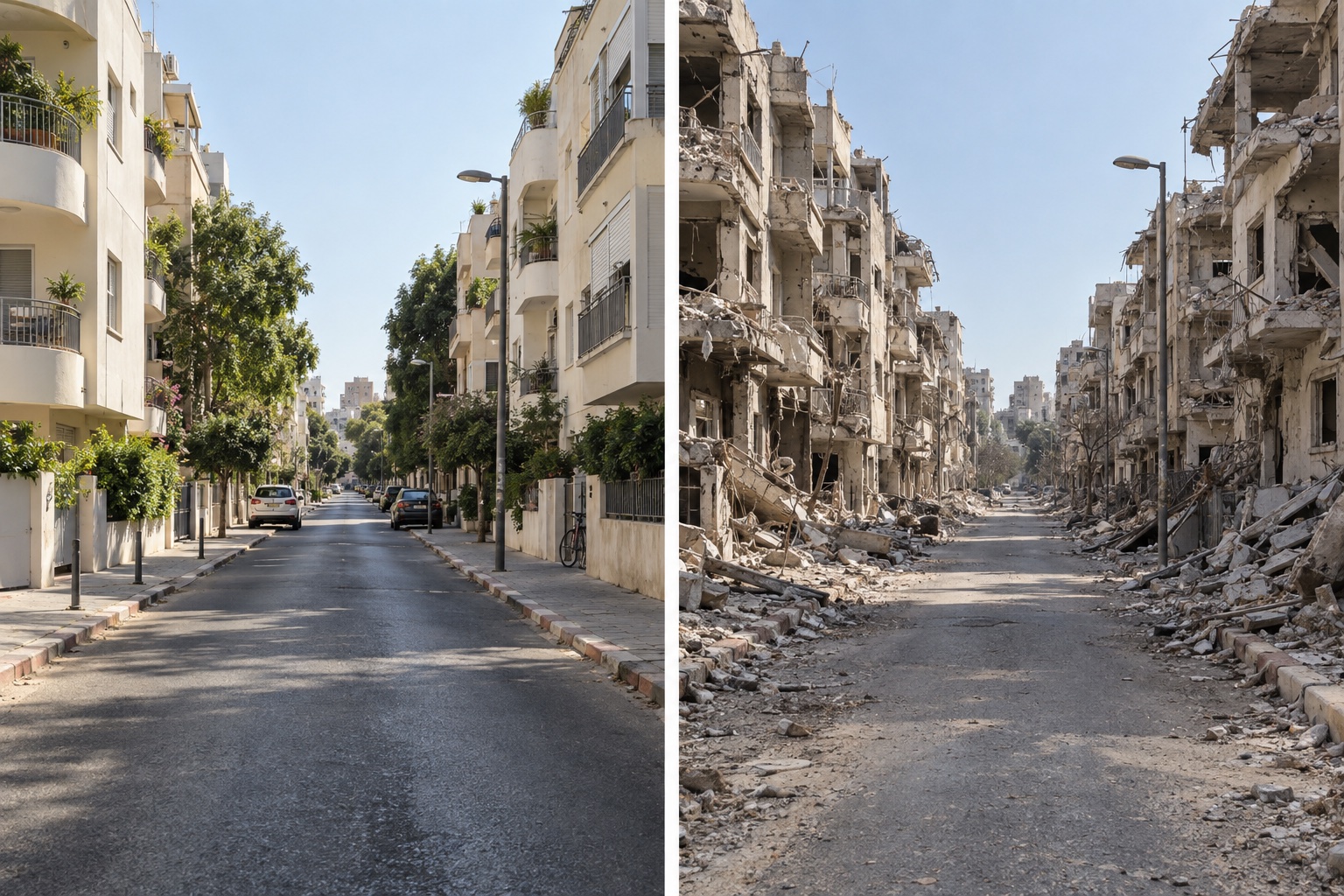
Illustrative images
What it took.
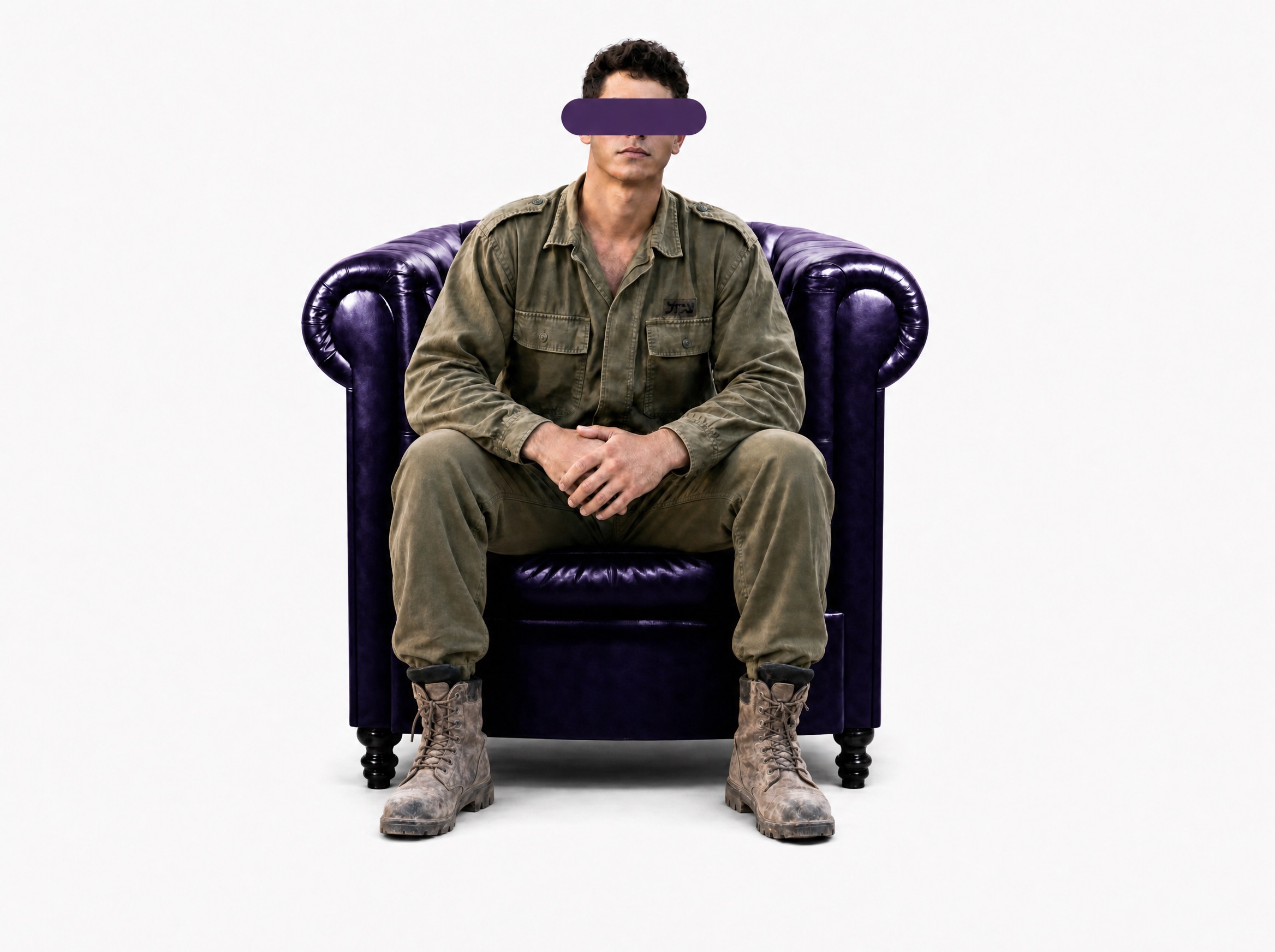
- Kibbutz Be’eriOctober 7
- 48 hours of combat
- Gaza
- 205 days
- Lebanon
- 90 days
D. B. aged 22
Oketz Unit
The impact reaches the whole family.
Partners, children and other family members experience these changes too.
Disrupted sleep, heightened alertness, withdrawal and difficulty returning to everyday life can affect relationships, parenting, work and life at home.
SHAHAF recognizes families as part of the rehabilitation process and aims to support fighters and those closest to them. The association serves those who served in the security forces, victims of hostile action and their families.
Rehabilitation also involves the gradual return to:
- Family life
- Relationships
- Parenting
- Work
- Social connections
- Daily routines

Further reading: data, reports and personal accounts
The scale of the challenge
-
279 soldiers were reported to have attempted suicide
From January 2024 to July 2025.
Knesset Research and Information Center, October 2025
-
Among soldiers who died by suicide in 2024
78% were fighters 55% were reservists
These groups may overlap. These figures describe the share of recorded deaths, not the suicide risk within each group.
Knesset Research and Information Center, October 2025
Read the Knesset report (Hebrew PDF, October 2025)
The need for support is already here. Its implications are expected to affect Israeli society for years to come.
Reporting on the challenges (Hebrew)
- HaaretzReport on two female soldiers who died by suicide and the wider toll among serving soldiers
- ynetIDF report on soldiers who died by suicide and the recognition of distress
- Kan NewsReport on Will Shakin, his service in Gaza and gaps in support before his death in the US
- ynetReport on Dmitry Shapiro’s death by suicide following extended service in Gaza
- Kan NewsReport on four fighters who died by suicide within a week and calls for action
- Kan NewsReport on Thomas, his experiences on 7 October and his death by suicide
- MaarivReport on deaths by suicide among IDF fighters since the start of the war
Through their eyes
These videos contain combat footage. You can choose whether to open them on YouTube.
For emotional support in Israel, visit ERAN - Emotional First Aid. If you are in immediate danger, contact local emergency services.
Understanding the impact.
Exploring the path to rehabilitation.
SHAHAF is developing a rehabilitation program designed around fighters and their families.
The planned model includes support from a qualified therapist and medical oversight.
Explore SHAHAF’s treatment approach
This information is educational and is not a diagnosis.